Quick answer: For babies, choose small, light soft toys with embroidered eyes and no loose parts, and keep all soft toys out of the cot during sleep for the first 12 months. For toddlers (1–3), avoid small detachable parts, ribbons and beads. From 3 years, most well-made plush toys are fine, and older children can enjoy musical toys, keychains and collectibles. At every age, check the age grading and the BIS mark on the label.
Soft toys are often a child’s first toy and first “friend”. They comfort, they teach, and they become part of family stories. But not every soft toy suits every age. A plush keychain that is perfect for a 9-year-old’s school bag can be a choking risk for a toddler. This guide explains what to look for at each stage, from newborns to teens, with a simple safety checklist that works for any toy.
Why age matters
- Mouthing: babies and toddlers put everything in their mouths, so small parts and loose fibres matter.
- Grip and strength: young children pull hard on eyes, ears and ribbons.
- Sleep safety: soft objects in a baby’s sleep area are a known risk in the first year.
- Interests: older children want characters, collectibles and room decor rather than “baby” toys.
0–12 months: comfort for playtime, not sleep
- Choose small, light toys that a baby can hold and grip.
- Prefer embroidered eyes and nose over plastic parts.
- Avoid ribbons, strings, beads, buttons and sequins.
- Choose washable fabrics — babies drool and spit up.
- Soft textures and gentle colours are enough; babies don’t need complex designs.
Safe-sleep guidance from paediatric bodies such as the American Academy of Pediatrics is to keep soft objects, including soft toys, out of a baby’s sleep area for the first 12 months. Use soft toys during supervised awake time. A gentle option for this age is the sleepy-eyes bunny.
1–2 years: hugging and carrying
- 20–30 cm toys that a toddler can carry around.
- Easy-to-wash fabric — toddlers drop toys everywhere. See how to wash soft toys.
- Still avoid small detachable parts. Most toys with small parts are labelled “not suitable for children under 3 years”.
- Simple animals like the monkey or plush cow help with naming animals and sounds.
3–5 years: pretend play
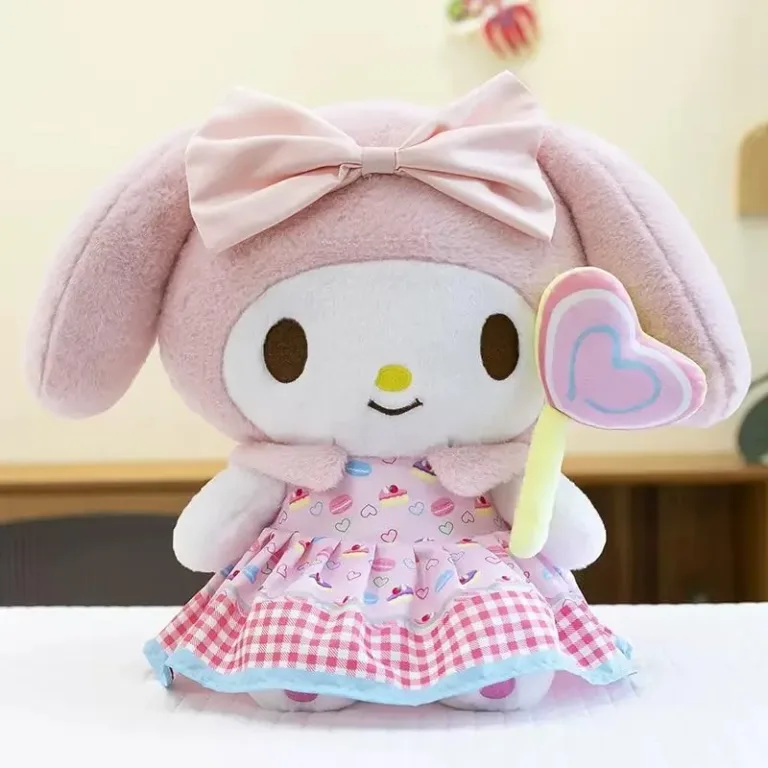
Children start giving toys names, voices and stories. They feed them, put them to bed and take them on adventures. Animals, bunnies in dresses, families of toys and dolls work well. Musical and sound toys are fun at this age with adult help for batteries. Good choices include the frock dress rabbit and the reversible panda-fox.
6–8 years: collecting and characters
Kids enjoy collecting: keychains, blind boxes and favourite characters. Realistic animals like sleeping cats and puppies become popular, especially with children who want a pet. Plush keychains are fine at this age, but keep them away from younger siblings.
9–12 years and teens: decor and gifting
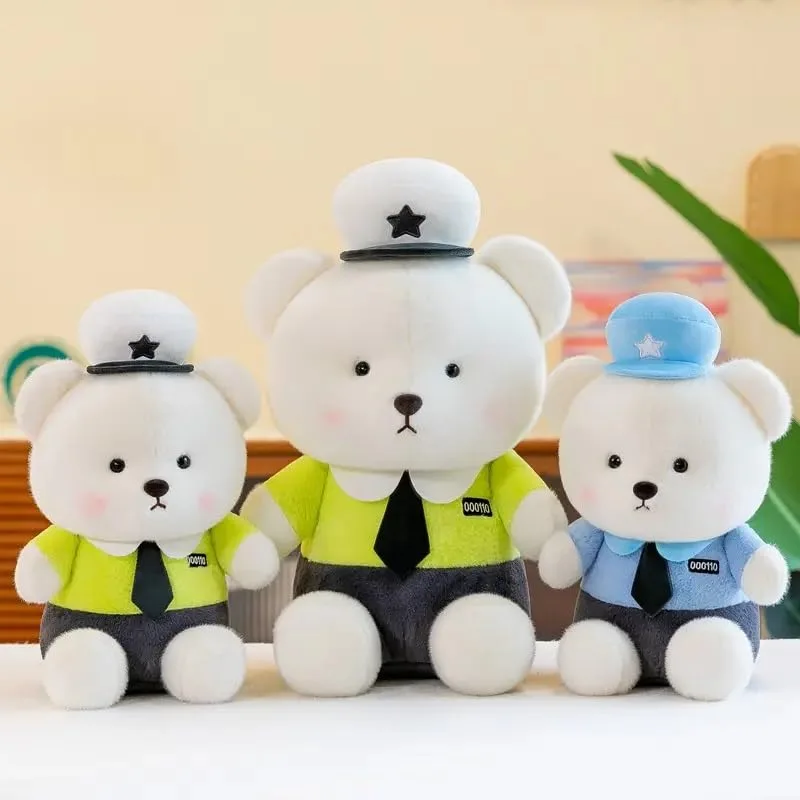
Bigger teddy bears, cute room decor, character plush and trending keychains for bags. Teens often choose plush for its look — pastel colours, hoodies and aesthetic designs. Size matters too; see the teddy bear size guide.
Age guide at a glance
| Age | Best choices | Avoid |
|---|---|---|
| 0–12 months | Small, light, embroidered faces | Toys in the cot, ribbons, beads |
| 1–2 years | 20–30 cm animals, washable | Small parts, long cords |
| 3–5 years | Animals, dolls, dress-up plush, sound toys with adult help | Toys too big to carry |
| 6–8 years | Characters, realistic pets, keychains | Leaving keychains with toddlers |
| 9+ years | Room decor, large bears, collectibles | “Babyish” designs |
Safety checklist for any age
| Check | Why |
|---|---|
| BIS standard mark | Required for toys for children under 14 sold in India — see our BIS guide |
| Age warning on label | Tells you if small parts are present |
| Firm eyes, nose, accessories | Prevents choking hazards |
| Strong seams | Filling should not come out |
| Battery box with screw | Keeps button cells away from children |
| No strong chemical smell | A sign of poor-quality materials |
Choosing safe soft toys as gifts
When you buy a soft toy for someone else’s child, you may not know their exact age or habits. A few simple rules help:
- Ask the parent the child’s age, and whether there is a baby sibling at home.
- When in doubt, choose a toy labelled for all ages, with embroidered features.
- Skip keychains and toys with beads for children under 3.
- Choose washable toys — parents always appreciate them.
- Keep the receipt or packaging so the label can be checked.
For party and group gifts, our return gift guide explains how to choose one design that is safe for mixed-age groups.
Keep checking as toys get older
A safe toy can become unsafe with wear. Every few weeks, check favourite toys for loose eyes, open seams, torn fabric and worn-out labels. Repair small seam openings straight away, and retire toys that cannot be fixed safely. Siblings matter too: a toy that is fine for an 8-year-old may be within reach of a 1-year-old.
Musical and electric soft toys
Musical, breathing and light-up toys are popular for bedtime and play. In India they should meet the electric toy standard IS 15644. Make sure the battery compartment is closed with a screw, the volume is gentle, and young children are supervised. See our electric soft toys.
Frequently asked questions
When can a baby sleep with a soft toy?
Common safe-sleep advice is to wait until after 12 months. Ask your paediatrician for advice for your child.
Are musical soft toys safe for toddlers?
They can be, if the battery compartment is screw-secured and the toy meets electric toy safety standards (IS 15644 in India). Supervise young children.
Are plush keychains safe for small kids?
They are meant for older children. Keep keychains with metal rings away from toddlers.
What does “not suitable for children under 3” mean?
It usually means the toy has small parts that could be a choking risk for young children.
Find the right size with our teddy bear size guide, or shop soft toys.