Quick answer: Start a new toy shop with a mixed soft toy range of 15–25 designs: plush keychains and small toys near the counter (about 30% of the first order), 25–35 cm teddies and animals as the main shelf stock (about 45%), musical or sound toys (about 15%) and two or three large teddy bears for display (about 10%). Track sales weekly and reorder the designs that sell in the first few weeks.
Soft toys are an easy category for a new toy shop. They don’t need batteries, assembly or demos — customers pick them up, hug them and buy. They also suit every occasion: birthdays, festivals, baby showers, get-well visits and Valentine’s week. The trick is getting the mix right so your money isn’t stuck in slow designs while best-sellers run out.
This guide shows you exactly what to stock first, how much of each group to buy, how to display it and how to grow your range over the first three months.
The four groups every shop needs
1. Impulse buys near the billing counter
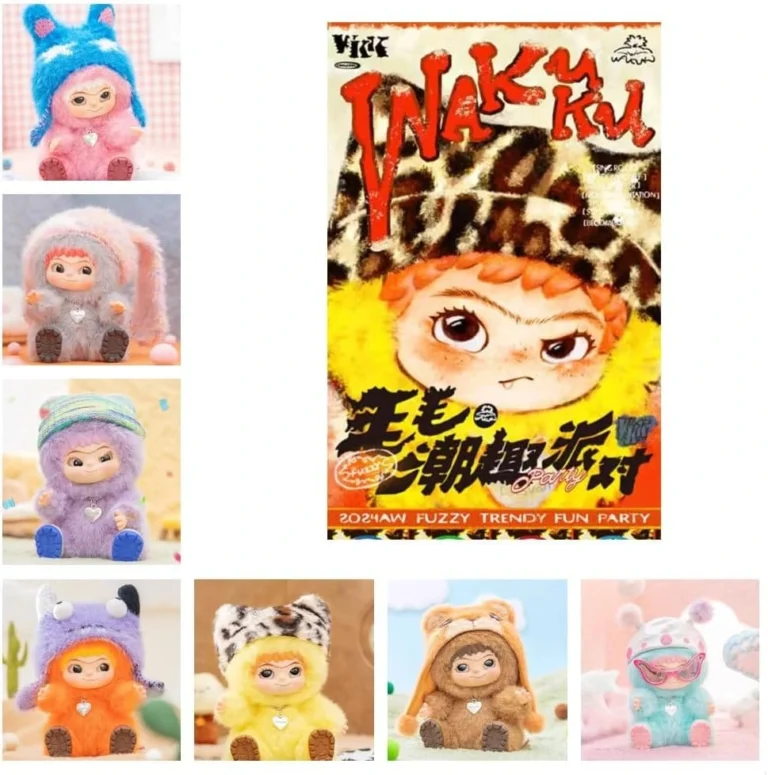
Small, colourful and low-priced: plush keychains, blind-box collectibles and palm-size animals like the fuzzy plush keychain. Parents add them to the bill and children ask for them at the counter. These items also attract teenagers who come in just to browse.
2. Everyday gifting range (your main stock)
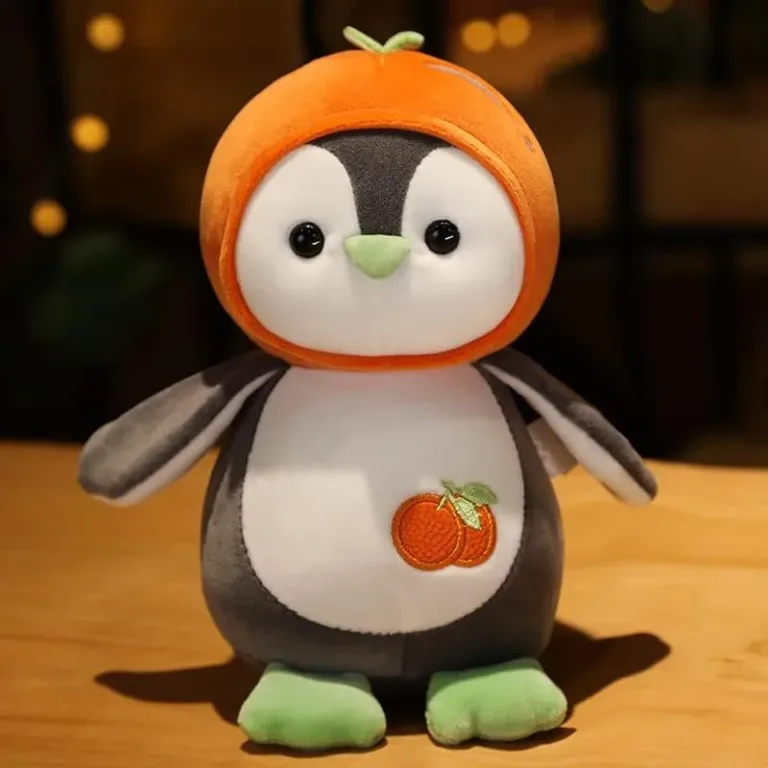
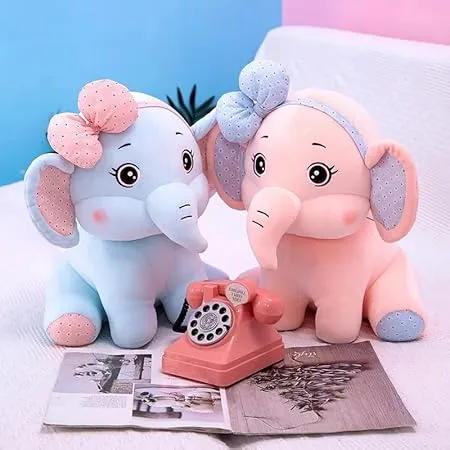
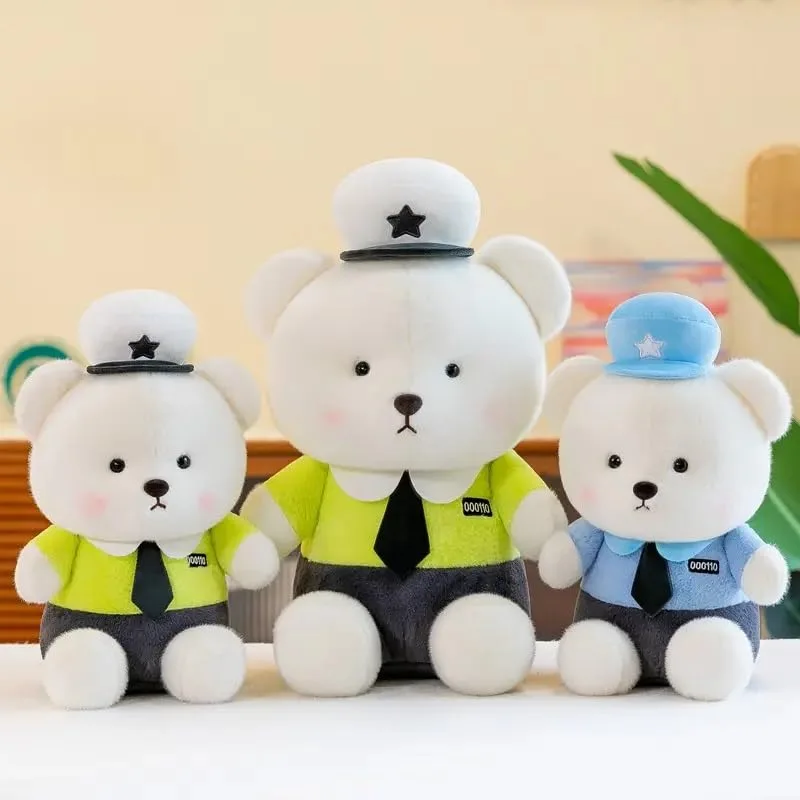
Teddy bears, pandas, bunnies, elephants and cats in 25–35 cm sizes are the backbone of most shops. They suit birthday gifts, are easy to wrap and don’t take too much shelf space. Examples from our range: panda teddy, hoodie teddy bears, crown elephant and frock dress rabbit.
3. Feature toys with sound, light or motion
Musical, breathing and sound toys — such as a breathing teddy with music or a meowing cat — attract attention when switched on in the shop. Keep one sample open for demo, with fresh batteries. See our electric soft toys.
4. Display pieces
One or two large teddy bears at the entrance make the shop look full and inviting. They also sell well during Valentine’s week and birthdays, but keep the quantity low — they take space and tie up money.
A simple starter mix
| Group | Share of first order | Why |
|---|---|---|
| Keychains and small toys | About 30% | Fast-moving, low risk |
| 25–35 cm teddies and animals | About 45% | Main gifting range |
| Musical / sound / breathing toys | About 15% | Higher ticket, attracts attention |
| Large display teddies | About 10% | Visual impact, seasonal sales |
This split is a starting point, not a rule. A shop near a school may sell more keychains; a gift shop near a college may sell more heart teddies and couple plush; a shop in a market area with families may sell more mid-size animals.
Choose designs that sell across ages
- Classic teddy bears in brown, white and pink — always in demand.
- Pandas and bunnies — popular with both kids and teens.
- Realistic animals such as sleeping cats and puppies for older kids and adults.
- Baby-friendly toys with embroidered faces for baby showers and first birthdays.
- Trending characters like Stitch and Lotso — keep a small quantity and reorder fast if they sell.
For help with sizes, see our teddy bear size guide.
How many pieces of each design?
Instead of one piece of fifty designs, buy a few pieces of fewer designs. Customers like to see a small stack — it signals the item is popular — and you need spare pieces when a design starts selling. A practical approach for a small shop:
- Fast items (keychains, minis): larger quantity per design.
- Core teddies and animals: a moderate quantity in two colours where available.
- Premium and display pieces: one or two of each.
Your supplier can suggest quantities based on your budget. Read how to buy soft toys wholesale in India for questions to ask before ordering.
Plan for festivals and seasons
Soft toy demand in India rises and falls with the gifting calendar. A new shop that plans for these peaks sells far more than one that waits for customers to ask:
| Season | What to add |
|---|---|
| Diwali | Gift-ready teddies, musical toys, combos with chocolates |
| Children’s Day and school events | Small toys and keychains in quantity |
| Christmas and New Year | Winter-themed and party-gift plush |
| Valentine’s week | Heart teddies, couple plush, large bears |
| Wedding season | Return gifts and kids’ corner toys |
Order festival stock three to four weeks ahead, so it is on your shelves before customers start shopping.
Display tips that increase sales
- Group toys by size and colour, not randomly.
- Keep at least one of each design out of the packet so customers can touch it.
- Put price tags where they are easy to see.
- Create occasion shelves: “Birthday”, “Baby gifts”, “Love and friendship”.
- Change the front display for each season — hearts in February, festive colours for Diwali.
- Keep the area dust-free; dusty plush looks old even when it is new.
Your first 90 days
| Period | What to do |
|---|---|
| Week 1–2 | Open with the starter mix; note what customers ask for that you don’t have |
| Week 3–4 | Reorder the top 5 designs; add 2–3 requested items |
| Month 2 | Drop or discount the slowest designs; test one new category |
| Month 3 | Plan stock for the next festival or season |
Mistakes new shops make
- Buying too many big teddies because they look impressive.
- Not checking quality — see the 10-point quality checklist.
- Ignoring BIS compliance — read BIS certification for toys.
- Reordering on guesswork instead of a simple sales record.
Frequently asked questions
How many designs should a new shop start with?
A small shop can start with 15–25 designs across sizes and add more once you see what customers ask for.
Should I stock big teddy bears?
Yes, but only a few. They take space and sell slower than small toys, but they make the shop attractive and sell well in gifting seasons.
Which soft toys sell fastest?
Usually keychains, minis and 25–35 cm teddies and animals.
Can I get a ready-made starter mix?
Yes. Share your budget and shop type with Lisbon Toys and we will suggest one.
Want a ready starter mix for your shop? Send us your budget and we will suggest one.